Simple Techniques to Help Skin Heal After Injury
Healthy skin recovery begins with gentle care and consistent habits. Minor cuts, scrapes, and surface injuries often improve more comfortably when the affected area is protected and kept clean. Simple daily steps can support the body’s natural healing process while helping skin regain its smooth and healthy appearance.
Clean the Area Carefully
Keeping the injured area clean is one of the most helpful ways to support healing.
- Rinse the skin gently with clean water
- Remove visible dirt carefully
- Pat the area dry using a soft cloth
- Avoid rough rubbing or scratching
- Keep hands clean before touching the injury
Gentle cleaning lowers irritation and helps the skin remain calm during recovery.
Keep the Skin Moisturized
Dry skin may become uncomfortable and slow the how to close a wound healing process. Maintaining light moisture around the injured area can support softness and flexibility.
Helpful Moisture Tips
- Apply a mild skin-protecting layer if needed
- Prevent the area from becoming overly dry
- Use breathable coverings when appropriate
- Replace coverings regularly to maintain freshness
- Avoid trapping excessive moisture against the skin
Balanced moisture can help reduce cracking and support smoother healing.
Protect the Injury from Friction
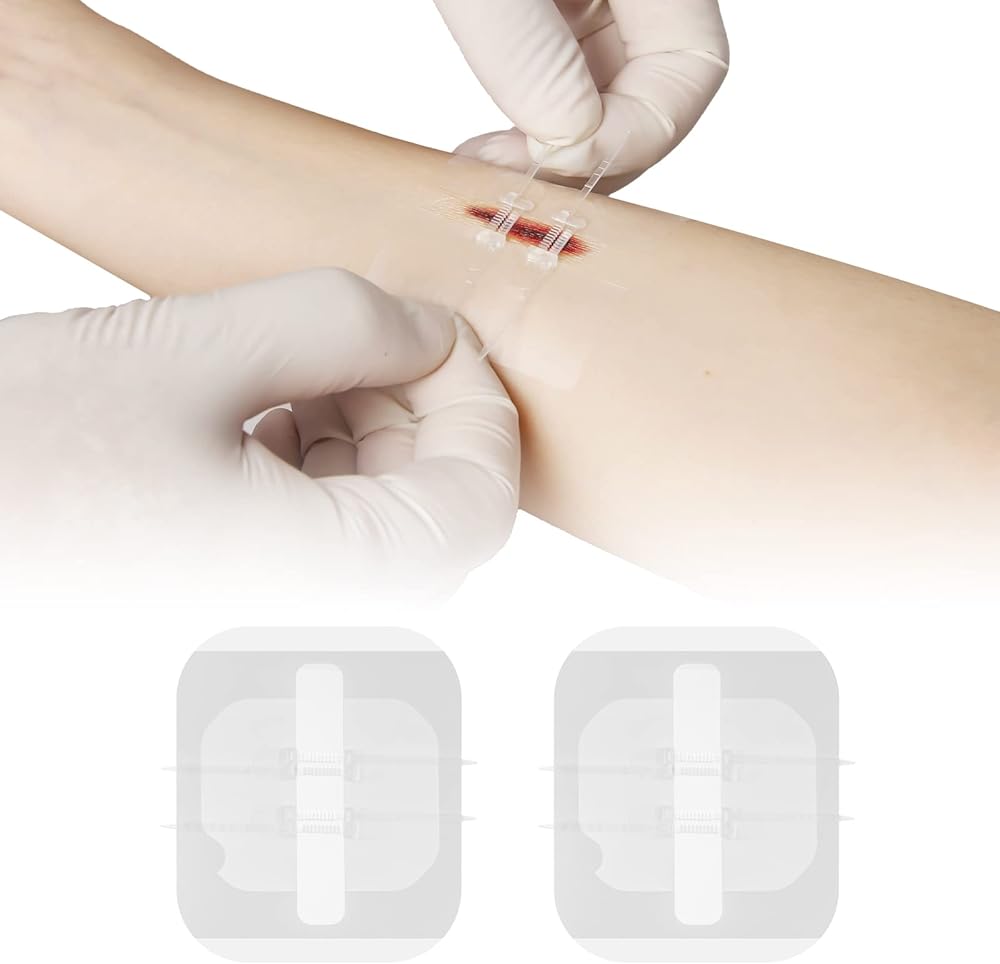
Repeated rubbing may irritate healing skin and delay recovery. Protection from unnecessary pressure is important during the early stages.
Simple Protective Measures
- Wear soft and loose clothing
- Avoid tight materials over the injury
- Keep sharp or rough objects away from the area
- Limit unnecessary touching
- Rest the affected area when possible
Reducing friction allows the skin to rebuild more comfortably.
Support Healing Through Nutrition
Nutritious foods can help the body repair damaged skin more efficiently. A balanced diet supports strength and recovery from within.
Foods That May Help
- Fresh fruits rich in natural nutrients
- Leafy vegetables and colorful produce
- Protein-rich meals for tissue repair
- Healthy fats that support skin condition
- Plenty of water throughout the day
Proper hydration also helps maintain skin elasticity and overall comfort.
Avoid Picking or Scratching
Healing skin may become itchy as recovery progresses. Although this is common, scratching can interrupt the healing process.
- Keep fingernails trimmed and clean
- Distract the urge to scratch when itching occurs
- Use gentle cooling methods if approved for comfort
- Allow scabs to fall away naturally
- Avoid peeling dry skin forcefully
Patience often helps the skin heal with a smoother appearance.
Allow Time for Rest
The body repairs itself more effectively when it receives enough rest. Quality sleep supports natural recovery and overall wellness.
Healthy Recovery Habits
- Maintain a regular sleep routine
- Reduce unnecessary physical strain
- Stay relaxed during the healing period
- Give the skin time to recover naturally
- Maintain clean surroundings for comfort
Consistent rest supports the body’s ability to restore healthy skin.
Watch for Positive Progress
Minor skin injuries often improve steadily with proper care. Healthy signs of recovery may include reduced redness, smoother texture, and improved comfort over time.
Simple attention to cleanliness, protection, hydration, nutrition, and rest can make a meaningful difference during healing. By following supportive daily habits, skin can recover more comfortably and regain a healthy appearance with time and care.