The Best Materials for Replica Watches – A Detailed Guide
When it comes to replica watches, the choice of materials plays a pivotal role in determining the quality, aesthetics, and durability of the timepiece. High-quality replica watches aim to closely emulate the luxurious feel and appearance of the original, and the materials used are crucial in achieving this. Here, we will explore some of the best materials used in crafting replica watches, highlighting their advantages and why they are favored by manufacturers. Stainless steel is one of the most commonly used materials in replica watch manufacturing. Known for its strength, corrosion resistance, and sleek finish, stainless steel offers a durable and aesthetically pleasing base for watch cases and bracelets. Many luxury watches, such as those by Rolex and Omega, are crafted from high-grade stainless steel, often referred to as 316L or 904L steel. Replica manufacturers use similar grades to ensure that their watches not only look like the originals but also offer similar resilience and luster over time.
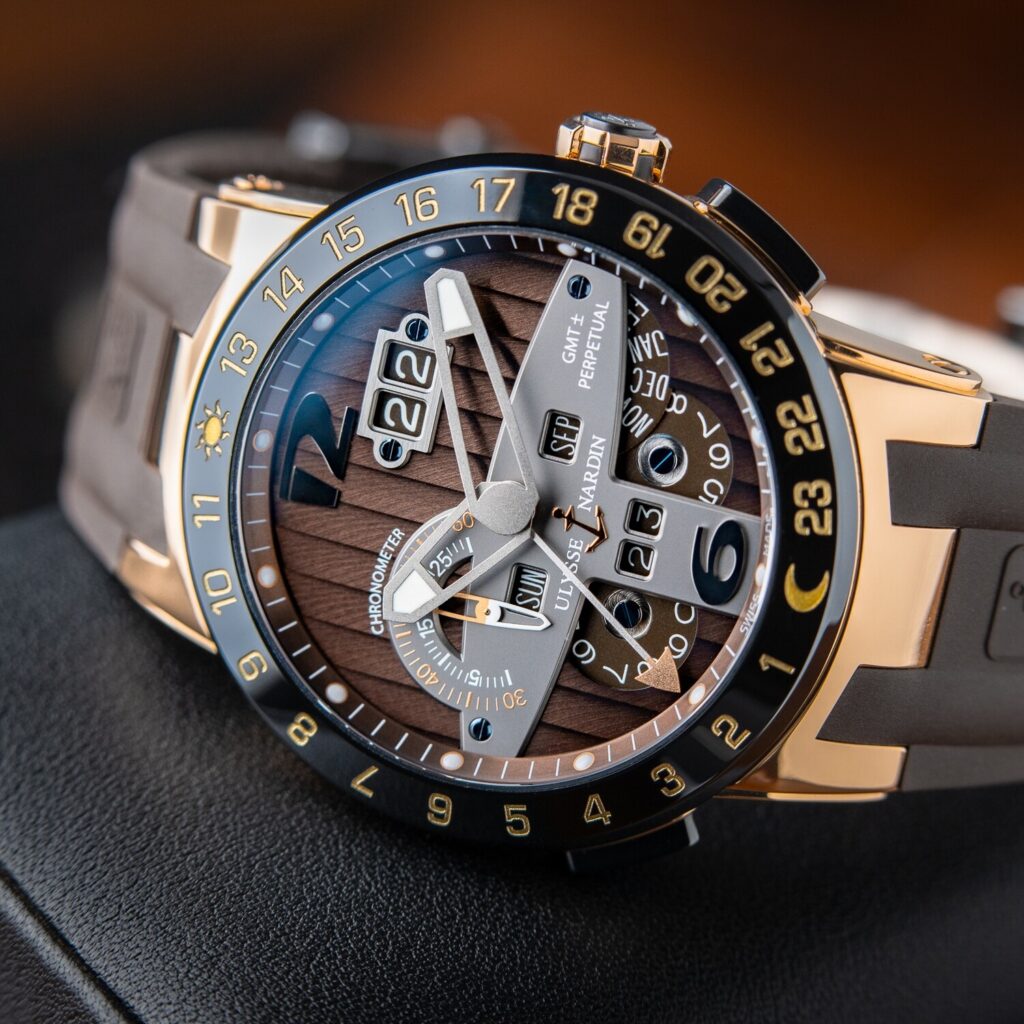
The high polish and ability to withstand daily wear make stainless steel an ideal choice for long-lasting replicas. Ceramic has gained popularity in both luxury and replica watches due to its lightweight yet extremely tough nature. It is scratch-resistant, hypoallergenic, and has a modern, sleek look that appeals to those seeking contemporary designs. High-end replicas often feature ceramic bezels, especially in models like the Rolex Submariner or Omega Seamaster. The challenge with ceramic is that it can be brittle and prone to cracking under high impact, but its resistance to everyday scratches and fading makes it an excellent choice for many components in a watch. Titanium is another favored material for replica watches, particularly those mimicking high-end sports or diving watches. Lighter than stainless steel but equally as strong, titanium offers comfort and durability. It is also hypoallergenic, making it ideal for those with sensitive skin. Titanium watches tend to have a distinct matte finish, which may not offer the same shine as stainless steel but provides a more understated, rugged aesthetic.
In high-quality Luxe Replica Watches, titanium can be used in the case, bracelet, or even the internal mechanisms. For those looking to replicate the opulence of luxury gold watches without the exorbitant cost, gold plating is a popular choice. Replica watch manufacturers often use stainless steel as a base and apply a gold coating, usually through PVD Physical Vapor Deposition or electroplating, to mimic solid gold. The quality of gold plating can vary, but in premium replicas, thicker and higher-quality plating is used to give the watch a genuine golden sheen. PVD-coated gold is particularly durable, providing a long-lasting finish that resists fading over time, even with regular wear. A hallmark of luxury watches is the use of sapphire crystal for the watch face, prized for its hardness and scratch resistance. Replica manufacturers often use synthetic sapphire or mineral crystal treated to resemble sapphire for the watch’s glass. While it may not be as scratch-resistant as genuine sapphire, high-quality replicas come close in durability and clarity.


 The most seasoned technique to expand a diamond’s variety rating is to cover it. Albeit, this is not utilized as generally today, the cycle includes a super slender layer of synthetic substances applied to the diamond to cause the diamond to show up less bright. It is somewhat simple today to distinguish covered diamonds under amplification. Another strategy is to utilize illumination to change the shade of a diamond all through the stone for all time. A third method for changing the variety is to utilize High Strain, High Temperature, or HPHT treatment. This treatment can make the diamond dismal or add alluring tones like blue, green, pink, or yellow. There are likewise methods for working on a diamond’s clearness. Laser boring is utilized to take out dull incorporations. The laser will drill into the diamond and consume with smoldering heat the incorporation. All that is left is the little drill opening. Another method is crack filling. This
